
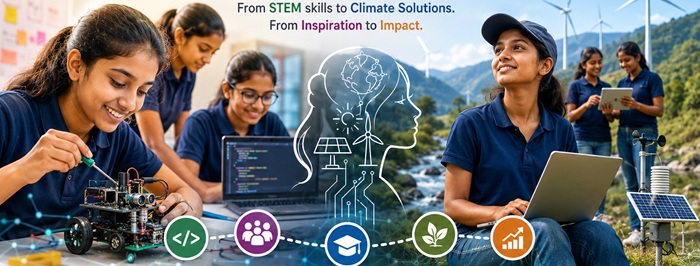
Technology programmes for girls should do more than teach digital skills. They should create a pathway from early interest in STEM to technology careers, leadership and economic opportunity.
For Shilpa Sayura Foundation, this approach has developed through several generations of programmes: Girls in Technology, NextGen Girls and more recently ClimateTech Girls.
The technology has changed. The development objective has also grown.
The early challenge was getting more girls interested in technology and encouraging them to consider technology careers. The next step was giving girls practical experience with emerging technologies. ClimateTech Girls takes this further by helping young women use technology to solve environmental problems and develop leadership and economic opportunities.
Access → Interest → Skills → Confidence → Leadership → Economic Opportunity
The First Challenge: Getting Girls into Technology
Technology careers have traditionally attracted fewer girls and young women than men. The problem does not begin when a young woman applies for a technology job. It often starts much earlier.
Girls need opportunities to experience technology while they are still making decisions about education and future careers.
SSF’s early Girls in Technology work focused on this gap: increasing women’s participation in technology and encouraging girls to see ICT as a possible future.
Career pathways start with exposure.
A girl who has never programmed a computer, connected a sensor or built a digital project may not see herself becoming an engineer, programmer or technology entrepreneur.
NextGen Girls: From Interest to Practical Experience
NextGen Girls took the approach further.
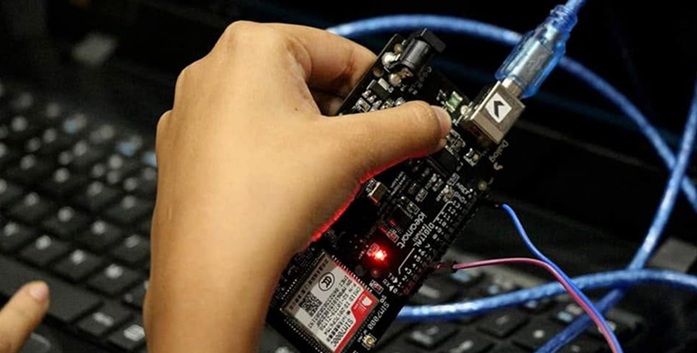
Girls were introduced to coding, IoT, electronics, digital technologies and other emerging areas through practical activities.
The objective was not simply to teach a software package. It was to create the experience of:
I can build this.
That change in confidence matters.
When a student programs a device, connects a sensor or develops her first technology project, technology becomes something she can create rather than something she only consumes.
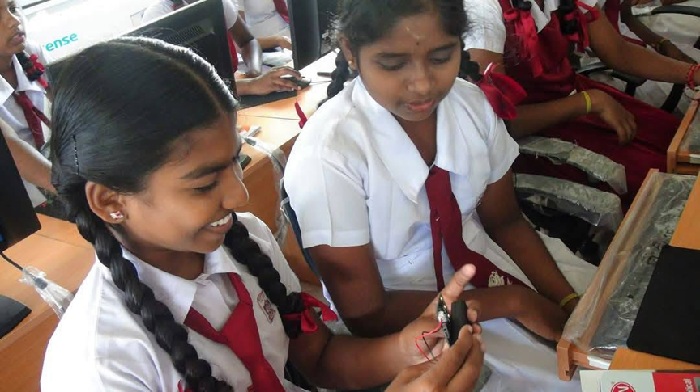
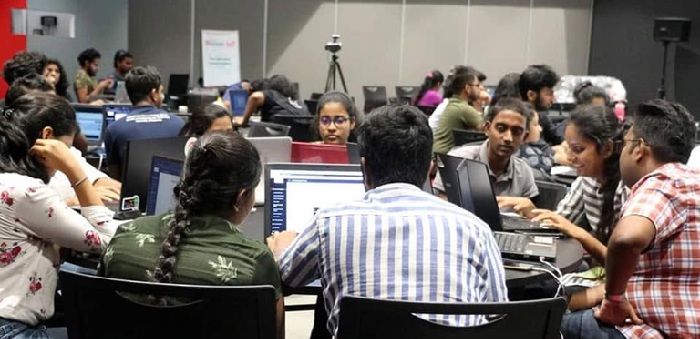
NextGen Girls also showed the value of connecting university students, teachers and schoolgirls. Young women who were further along the technology pathway could become mentors and educators for younger girls.
SSF’s work in this area received international recognition through the 2020 UNESCO Prize for Girls’ and Women’s Education. Earlier Internet Security Ambassadors work also used female university students to transfer technology and Internet-safety knowledge to peers and schoolgirls.
Why Extra-Curricular STEM Works
One lesson from these programmes is that emerging technology does not always have to wait for formal curriculum change.
Schools already have demanding curricula, examinations and limited teaching time. New areas such as AI, IoT, robotics and climate technology also develop faster than conventional curricula can change.
An extra-curricular STEM model provides another route.
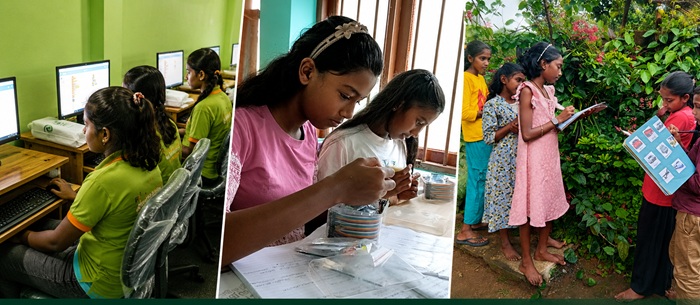
- School technology clubs
- After-school programmes
- Community technology centres
- Regional workshops
- University mentoring
- Competitions and exhibitions
- Community projects
This provides room for experimentation.
Students can learn by building, testing, failing, correcting and trying again. The school remains important, but the learning environment extends into the community.
Teachers Make the Model Sustainable
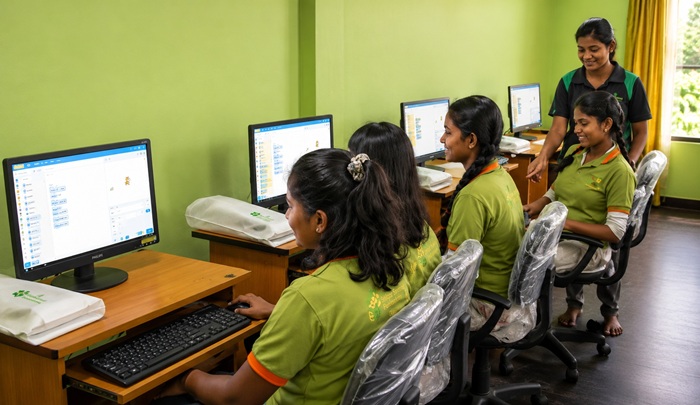
A workshop can motivate a student for a day. A trained teacher can support students for years.
Teacher development therefore needs to sit alongside student training.
Teachers do not have to become experts in every emerging technology. They need enough knowledge, learning resources and practical equipment to guide students and help them continue experimenting.
SSF / Technical Partners → Teachers → Students → School & Community Projects
The knowledge remains locally available after the original training programme ends.
ClimateTech Girls: Moving from Skills to Solutions
Climate change gives this model a new direction.
Young people are growing up with floods, landslides, drought, extreme rainfall, heat, waste, pollution and other environmental pressures.
At the same time, technologies that can help communities understand these problems are becoming more accessible.
- Low-cost sensors can measure rainfall, temperature, soil moisture and water levels.
- IoT can connect environmental observations.
- GIS can map risk.
- Satellite data can show environmental change over large areas.
- AI can help analyse patterns.
This creates an opportunity to bring STEM education and climate action together.
ClimateTech Girls moves from learning technology towards using technology to solve a local problem.
Start with a Problem, Not the Technology
A climate technology project should not begin with:
Today we are going to learn IoT.
It can begin with:
- Why does this area flood?
- Can we measure how much rain falls at our school?
- Can we monitor water quality?
- Where does plastic waste entering this stream come from?
Technology then becomes a tool for investigation.
Students identify the problem, collect information, design a solution, build a prototype and test it.
Local Problem → STEM Investigation → Technology → Prototype → Community Solution

From Participation to Leadership
Girls should not remain only participants in technology programmes.
They should progressively become:
Makers → Project Leaders → Mentors → Innovators → Entrepreneurs
A ClimateTech Girls team could identify a local flood problem and build a rainfall monitoring prototype. Another team could investigate water use, map waste or develop a low-cost environmental sensor.
The project itself becomes a leadership exercise.
Girls have to discuss the problem with communities, divide responsibilities, collect evidence, present findings and explain their solution.
Technology education therefore develops more than technical ability. It develops problem solving, communication, teamwork and leadership.
Climate Technology Can Create Economic Opportunity
Climate technology is also becoming an economic sector.
Future demand will grow for people who can work with renewable energy, environmental monitoring, GIS, IoT, data science, AI, climate-resilient agriculture, water management, waste management and disaster-risk technologies.
Girls introduced to these areas at school can progress into university study, employment, research or entrepreneurship.
Climate Awareness → STEM Skills → ClimateTech Project → Leadership → Higher Education → Employment / Enterprise
This is where gender, technology and economic empowerment connect.
A Community-Based Model
The long-term model is not limited to individual workshops. It connects several levels.
| Level | Action | Outcome |
|---|---|---|
| Girls | Hands-on STEM and technology | Interest and confidence |
| Teachers | Training and learning resources | Continued local support |
| Schools | Clubs and projects | Regular STEM activity |
| Community Centres | Equipment and access | Inclusion beyond well-resourced schools |
| University Mentors | Technical guidance | Role models and advanced support |
| Communities | Local climate problems | Real problems for student innovation |
| ClimateTech Network | Projects, exhibitions and mentoring | Leadership and economic pathways |
The model is deliberately community based.
Equipment and knowledge should not disappear when a project finishes. Teachers, schools, community centres and mentors provide a structure through which the next group of girls can participate.
From Girls in Technology to ClimateTech Leadership
The progression of these programmes shows an important change in thinking.
Girls in Technology asked:
How do we increase the number of girls entering technology?
NextGen Girls asked:
How do we motivate girls and give them practical emerging-technology experience?
ClimateTech Girls takes the next step:
How can young women use technology to lead solutions to problems affecting their communities and create future economic opportunities?
Building the Next Generation
Increasing women’s participation in technology cannot be solved by a single training programme.
It requires a pathway.
- Girls need early exposure.
- They need opportunities to build things.
- They need teachers who can support them.
- They need female role models.
- They need access to equipment and places where they can experiment.
- They need opportunities to solve real problems.
- They need to see where those skills can take them.
Climate technology provides a strong context because the problems are already visible in their own communities.
The objective is therefore not simply to teach girls about technology.
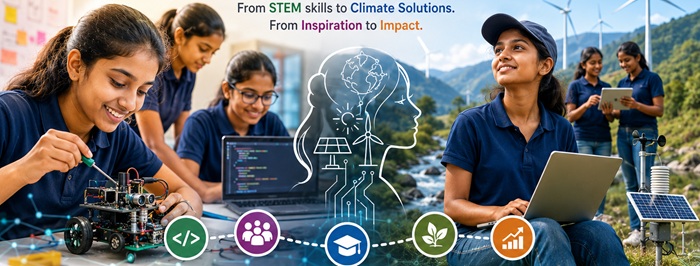
It is to give them the confidence and skills to use technology, lead projects, solve community problems and create their own place in the emerging climate economy.
When girls become technology creators and community problem-solvers, STEM education becomes a pathway to leadership and economic empowerment.
TechSights: Gender & Technology · STEM Education · Climate Technology · Girls in Technology · Community Innovation · Economic Empowerment